

Blake Rife's Vision for Affordable Healthcare and Education

In a world where the cost of healthcare and education continues to rise, the vision of leaders like Blake Rife becomes increasingly important. Rife, an advocate for accessible services, believes that everyone deserves the right to quality healthcare and education without the burden of crippling debt or financial strain. This blog post will explore Rife's vision, the current landscape of healthcare and education, and practical steps that can be taken to move toward a more equitable system.

Understanding the Current Landscape
The Rising Costs of Healthcare
Healthcare costs in the United States have skyrocketed over the past few decades. According to the Kaiser Family Foundation, the average annual premium for employer-sponsored family health coverage reached over $21,000 in 2021. This steep increase has forced many families to make difficult choices about their health and financial well-being.
High Deductibles: Many insurance plans come with high deductibles, meaning that individuals must pay a significant amount out-of-pocket before their insurance kicks in.
Prescription Drug Prices: The cost of prescription medications has also risen dramatically, often leaving patients unable to afford necessary treatments.
Access to Care: Rural areas often lack adequate healthcare facilities, making it difficult for residents to access necessary services.
The Challenge of Education Affordability
Similarly, the cost of education has become a barrier for many aspiring students. The College Board reported that the average cost of tuition and fees at public four-year institutions was over $10,000 for in-state students in 2021. This financial burden often leads to significant student debt, which can take decades to repay.
Student Loan Debt: As of 2023, student loan debt in the U.S. surpassed $1.7 trillion, affecting millions of borrowers.
Inequitable Access: Students from low-income families often face additional challenges, including inadequate preparation for college-level work and limited access to resources.
Rising Tuition Fees: Public universities have seen a steady increase in tuition fees, making higher education less accessible for many.
Blake Rife's Vision
Blake Rife envisions a future where healthcare and education are affordable and accessible to all. His approach focuses on several key principles:
Universal Access
Rife believes that everyone should have access to essential services, regardless of their financial situation. This means advocating for policies that ensure:
Universal Healthcare: Implementing a system that provides healthcare coverage for all citizens, reducing the financial burden on individuals and families.
Affordable Education: Making higher education accessible through reduced tuition fees, scholarships, and grants for low-income students.
Preventative Care and Education
Rife emphasizes the importance of preventative care and education in reducing long-term costs. By investing in:
Health Education: Teaching individuals about nutrition, exercise, and mental health can lead to healthier lifestyles and reduced healthcare costs.
Financial Literacy: Providing education on managing student loans and budgeting can empower students to make informed financial decisions.
Community-Based Solutions
Rife advocates for community-based solutions that address local needs. This includes:
Local Health Initiatives: Supporting community health centers that provide affordable care and preventative services.
Partnerships with Educational Institutions: Collaborating with local colleges and universities to create programs that offer affordable education and training.
Practical Steps Toward Change
Policy Advocacy
One of the most effective ways to bring about change is through policy advocacy. Individuals can:
Engage with Local Representatives: Contact local and state representatives to express support for policies that promote affordable healthcare and education.
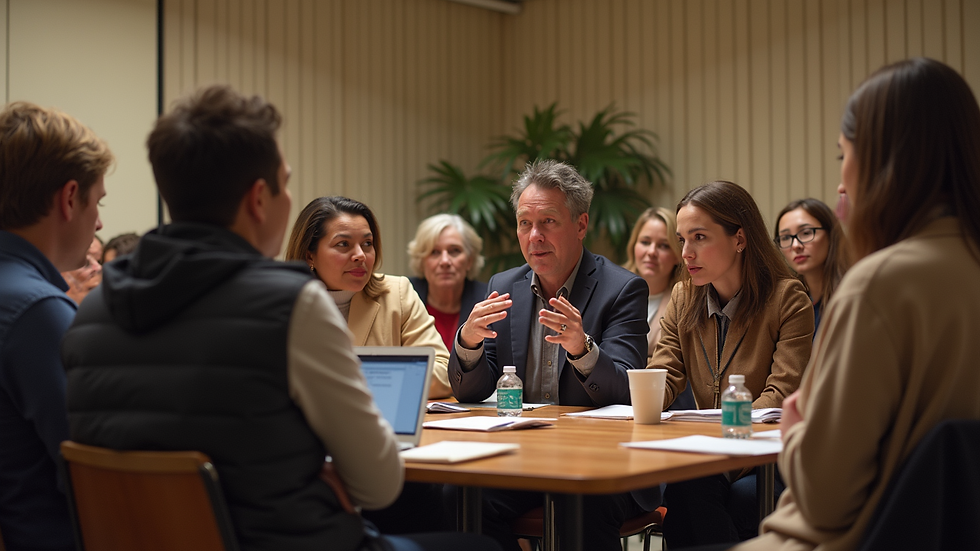
Participate in Community Forums: Attend town hall meetings and community discussions to voice concerns and propose solutions.
Support Local Initiatives
Supporting local initiatives can have a significant impact on the community. This can include:
Volunteering: Getting involved with local health clinics or educational programs can help provide essential services to those in need.
Donating: Contributing to local organizations that focus on healthcare and education can help them expand their reach and services.
Educate Yourself and Others
Knowledge is power. By educating yourself and others about the issues surrounding healthcare and education, you can help raise awareness and drive change. Consider:
Hosting Workshops: Organizing workshops on financial literacy or health education can empower community members.
Sharing Resources: Distributing information about available services and programs can help those in need access the support they require.
The Role of Technology
Telehealth Services
Technology plays a crucial role in making healthcare more accessible. Telehealth services allow patients to consult with healthcare providers remotely, reducing the need for travel and making it easier for individuals in rural areas to access care.
Convenience: Patients can receive care from the comfort of their homes, which is especially beneficial for those with mobility issues or transportation challenges.
Cost-Effectiveness: Telehealth can reduce costs associated with in-person visits, making healthcare more affordable.
Online Education Platforms
Similarly, online education platforms have transformed the landscape of higher education. These platforms offer:
Flexible Learning: Students can learn at their own pace and on their own schedule, making education more accessible for those with work or family commitments.
Lower Costs: Many online courses are more affordable than traditional in-person classes, reducing the financial burden on students.
Building a Supportive Community
Collaboration and Partnerships
Creating a supportive community requires collaboration among various stakeholders, including:
Healthcare Providers: Working together to share resources and best practices can improve the quality of care.
Educational Institutions: Partnering with local schools and colleges can create pathways for students to access affordable education.
Engaging the Community
Engaging the community in discussions about healthcare and education can foster a sense of ownership and responsibility. This can be achieved through:
Community Events: Organizing health fairs or educational workshops can bring people together and raise awareness about available resources.
Feedback Mechanisms: Creating channels for community members to voice their concerns and suggestions can help tailor services to meet local needs.
Conclusion
Blake Rife's vision for affordable healthcare and education is not just a dream; it is a call to action. By advocating for universal access, preventative care, and community-based solutions, we can work towards a future where everyone has the opportunity to thrive. The journey may be challenging, but with collective effort and commitment, we can create a more equitable system that benefits all.
As we move forward, consider how you can contribute to this vision. Whether through advocacy, support for local initiatives, or education, every action counts. Together, we can make a difference in the lives of many.

Comments